Budgeting for Full Home Interior Designs: Home Interior Budgeting Tips
- Rohith Ramu
- Apr 20
- 3 min read

Designing a full home interior is exciting. It transforms your space into a reflection of your style and needs. But it can also be costly if you don’t plan well. Budgeting is key. It keeps your project on track and prevents overspending. I’ll share practical tips to help you budget smartly for your full home interior design.
Understand Your Priorities
Start by listing what matters most. Which rooms need the most attention? What style do you want? What features are non-negotiable? Prioritising helps you allocate funds wisely.
Focus on high-use areas like the living room and kitchen first.
Decide if you want custom furniture or ready-made pieces.
Consider quality over quantity for long-lasting results.
Knowing your priorities lets you avoid wasting money on less important details. It also helps you communicate clearly with your designer or contractor.
Home Interior Budgeting Tips
Set a realistic budget based on your priorities. Research average costs for materials, labour, and furnishings. Use this as a baseline, then add a buffer for unexpected expenses.
Break your budget into categories: furniture, paint, flooring, lighting, decor.
Allocate percentages to each category based on importance.
Track your spending regularly to stay within limits.
For example, you might assign 40% to furniture, 20% to flooring, 15% to lighting, and so on. Adjust these as you go, but keep the total in check.

Choosing Materials and Finishes Wisely
Materials can make or break your budget. High-end finishes look great but cost more. Find a balance between aesthetics and affordability.
Opt for durable materials that last longer and reduce replacement costs.
Use premium materials in focal areas and budget-friendly options elsewhere.
Consider eco-friendly materials that may save money in the long run.
For instance, choose hardwood flooring in the living room but laminate in bedrooms. Use quartz countertops in the kitchen and affordable tiles in the bathroom.
Managing Labour and Professional Fees
Labour costs vary widely. Skilled professionals charge more but deliver quality work. Decide if you want a full-service designer or prefer to manage parts yourself.
Get multiple quotes from contractors and designers.
Clarify what services are included in fees.
Negotiate payment schedules tied to project milestones.
Hiring a reputable firm ensures timely execution and fewer costly mistakes. This approach aligns with the goal of delivering high-quality spaces that exceed expectations.
How to Save Without Sacrificing Style
Budgeting doesn’t mean cutting corners on style. You can save money with smart choices.
Repurpose existing furniture with new upholstery or paint.
Shop during sales or clearance events.
DIY simple decor projects like curtains or wall art.
Mix high-end pieces with affordable accents.
These tactics keep your design fresh and personalised without breaking the bank.
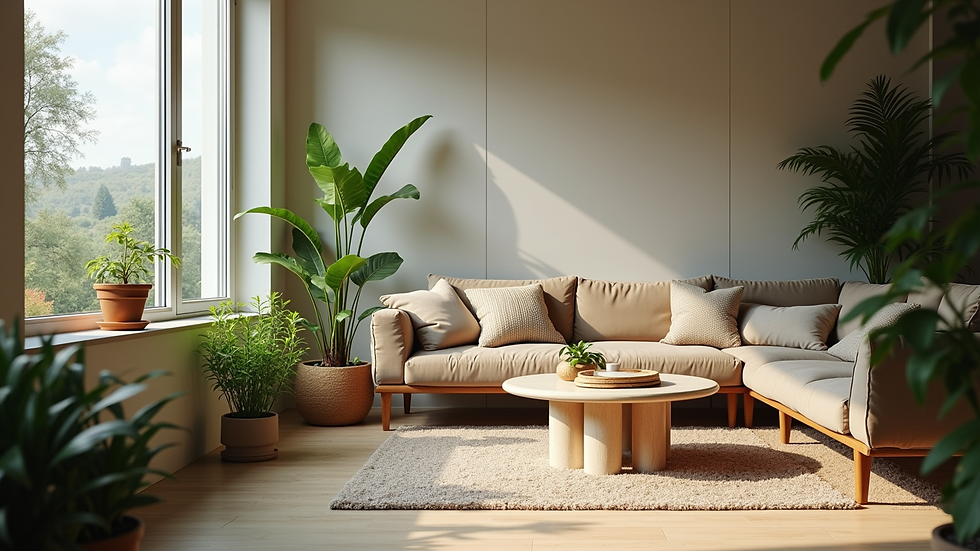
Tracking Your Full Home Interior Design Cost
Keep detailed records of all expenses. Use spreadsheets or budgeting apps to monitor costs. This helps you spot overspending early and adjust plans.
Remember, the full home interior design cost depends on many factors. Location, size, and design complexity all play a role. Stay flexible and communicate openly with your team.
Final Thoughts on Budgeting for Interior Design
Budgeting is a powerful tool. It turns your dream home into reality without financial stress. Focus on priorities, choose materials wisely, manage labour costs, and track spending closely. Use these tips to create a beautiful, functional space that fits your budget perfectly.
Start planning today. Your ideal home awaits.


Comments